

Signup To Our Weekly e-News
"*" indicates required fields
We’ll never share your details with any third party in line with our privacy policy.
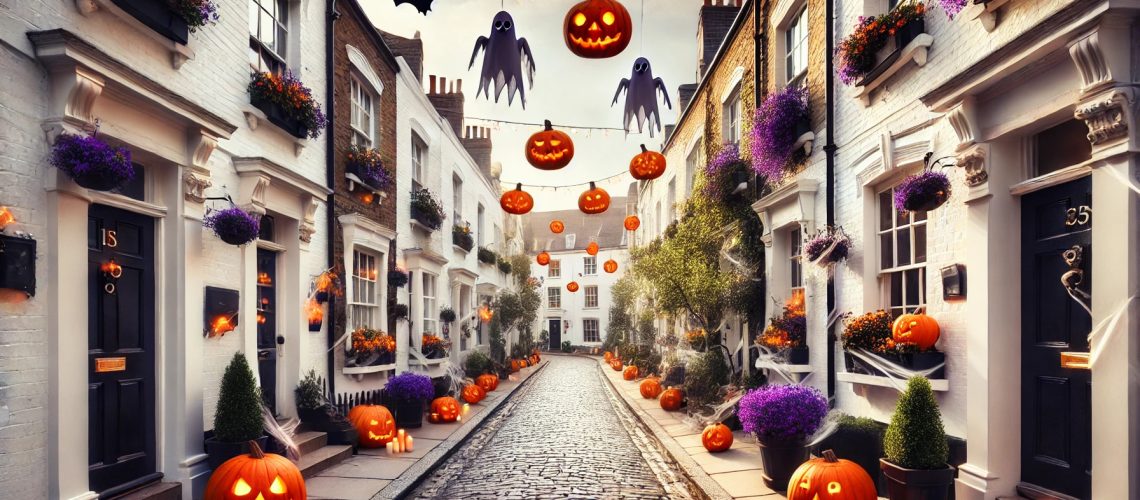
As the spooky season draws near, trick-or-treaters prepare to swarm neighbourhoods in droves, armed with costumes, candy bags, and a gleeful sense of entitlement to other people’s front porches. Halloween is all about fun and frolic, but what if we looked at it through a strictly legal lens? Could that innocent knock at your door actually land those little ghosts and goblins on the wrong side of the law? Let’s take gander through the legal landscape of nuisance and trespass in the context of Halloween’s favourite tradition: trick-or-treating.
Trick-or-Treating: Innocent Fun or Nuisance?
At its core, the legal concept of nuisance revolves around an interference with someone’s use or enjoyment of their property. Normally, this can include anything from noise complaints to pollution to unruly neighbours. The key question is whether the interference is “unreasonable.”
Now, picture this: It’s Halloween night, and your usually peaceful home is besieged by wave after wave of costumed children, knocking loudly, shouting “Trick or Treat!” and ringing the doorbell multiple times. Their shrill voices pierce the air, causing your dogs to bark relentlessly and disturbing your otherwise peaceful evening. You might be inclined to think, “This is a nuisance!”
Legally speaking, you could argue that the flood of trick-or-treaters is a private nuisance, causing an unreasonable disturbance. Courts however… may disagree. They tend to consider context, and Halloween is a unique event. Most people accept a certain amount of temporary disruption on this spooky holiday, and courts may find that these short-lived disturbances are neither severe nor long-lasting enough to be deemed an actionable nuisance.
That said, if the chaos escalates – imagine groups of youths pelting your house with eggs or throwing toilet roll over your garden – this might cross the line into something more than just a festive inconvenience. While nuisance claims are fact-specific and depend on the severity and frequency of the disruption, most courts are unlikely to rain down punishment on trick-or-treaters for merely participating in a widely accepted, though somewhat noisy, tradition. The police though might be more interested in the food-based disruptions.
Trespass: A Haunting Offense?
In addition to the potential for nuisance, there’s also the question of trespass to land. Under normal circumstances, trespass occurs when someone enters another person’s property without permission and interferes with their rights over land. Could the act of walking up to someone’s front door for sought after treats constitute trespass?
The simple answer is: technically, yes.
In its simplest form, every time a trick-or-treater sets foot on your property, they could be engaging in a trespass, as they are entering without express permission. However, there’s an implicit understanding in most areas that Halloween night comes with an unspoken license: when you leave your lights on and decorate your house with pumpkins and spooky décor, you’re giving trick-or-treaters implied permission to approach your home.
This implied license could be revoked, though. Let’s say you clearly indicate that you don’t want visitors—perhaps with a sign that says “No Trick-or-Treaters” or by turning off your porch light. At that point, any ghost or goblin who dares venture onto your property could indeed be trespassing.
But don’t expect courts to take up this claim easily. In reality, few people are likely to bring a claim for trespass under these circumstances, and fewer judges would be willing to treat harmless Halloween antics as a genuine civil violation.
The Frightening World of Liability
What about when things go wrong? Let’s say a trick-or-treater trips over a decoration in your garden and gets injured. Could you be liable for their injuries?
In most cases, property owners owe a duty of care to people who enter their land, even those there for recreational purposes like Halloween. That means ensuring the safety of your property—at least to a reasonable standard. If you create a spooky, but dangerous obstacle course in your front garden and someone gets hurt, you could be found liable under occupiers’ liability.
There’s some responsibility on the part of the trick-or-treater, too. If a child is hopping across your lawn like a sugar-crazed rabbit, the court might consider that they share some of the blame for any accidents.
A Trick or a Treat?
Ultimately, while Halloween may present opportunities for legal analysis of nuisance, trespass, and liability, it’s clear that trick-or-treating (like this article) is meant to be light-hearted and enjoyed. Yes, if we apply the law in its most rigid form, a lot of those little goblins could be guilty of trespass or nuisance. However, the playful spirit of Halloween means that most people are willing to tolerate the harmless fun.
So, before you threaten to take a trick-or-treater to court for knocking one too many times, remember that in the grand scheme of things, Halloween is a time when the law seems to loosen its grip just a little.
If you’ve been impacted by any unwelcome guests impacting your land outside of this period – please contact our Real Estate Disputes team who would be happy to scare them away.

Charity Begins at Home: How Including a Charitable Gift in Your Will Can Reduce Inheritance Tax If you’re considering leaving...

What is property fraud? Most commonly, property fraud is where a fraudster impersonates a property owner. The fraudster is then...
"*" indicates required fields
We’ll never share your details with any third party in line with our privacy policy.