

Signup To Our Weekly e-News
"*" indicates required fields
We’ll never share your details with any third party in line with our privacy policy.
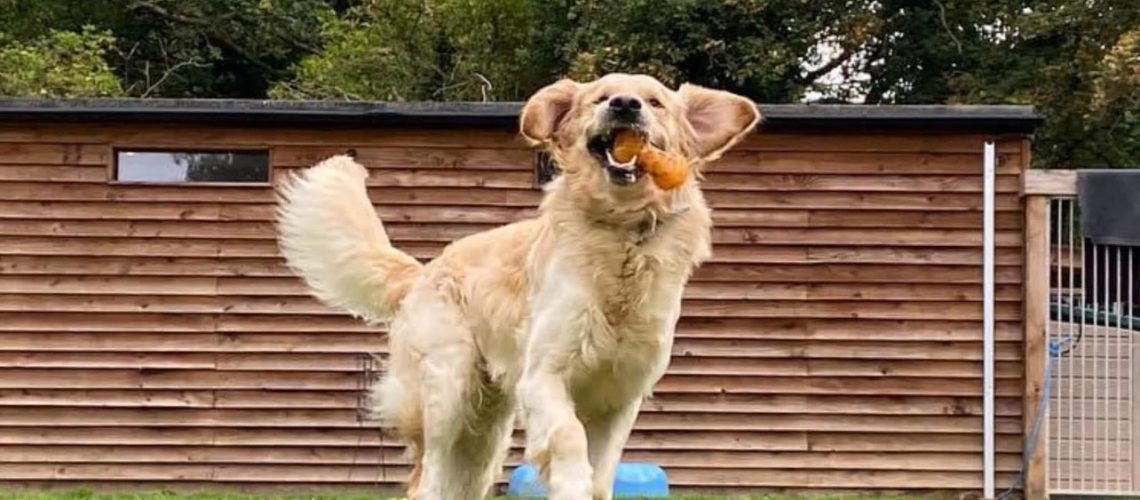
Owning a pet can bring endless joy and companionship to your life. From the wagging tail that greets you at the door to the comforting purr of a contented cat, pets are undeniably part of the family. Most property owners think the prohibition on keeping pets exists solely for tenanted properties. But what happens if your furry, feathered or spiked friend falls afoul of your lease? In England and Wales, the presence of a pet could potentially land you in breach of your lease—a situation that could ruffle more than just feathers. Let’s dive into the details.
The Lease: A Pet’s Nemesis
Most residential leases have a standard term restricting in some way pet occupation of properties. These can be absolute prohibitions, qualified to restricting each property to only one small pet or require you to get a special ‘pet licence’ for their occupancy. These clauses are often designed to prevent potential issues like property damage to common parts, noise complaints or other anti-social behaviour.
If you’ve brought home a playful pup or mischievous cat without prior approval from your freeholder or management company, you might be stepping onto thin ice. Breaching your lease could result in serious consequences, but don’t panic—there’s often more nuance to the matter than you might think.
What’s the Worst That Could Happen?
Let’s start with the harshest outcome: forfeiture. If your freeholder discovers an unauthorised pet in the property, they could take action for breach of lease. This will involve a potential claim at Court or the First Tier Tribunal to determine the breach is occurring before the service of a notice under section 146 of the Law of Property Act 1925. Such a notice usually gives a leaseholder a ‘reasonable period of time’ to remedy the breach. The downside of this however is that the freeholder will often require you to pay their incurred costs (such as solicitor’s fees) for this action under a separate term of the lease. These could be quite substantial.
The Good News for Pet Lovers
The tide is turning for tenants with pets. The UK government has recognised the importance of pets in tenants’ lives and introduced the “Model Tenancy Agreement,” which makes it easier for renters to keep pets. These changes are similarly slowly reaching leaseholder level where freeholders are adopting more pragmatic approaches for the way in which people organise their modern family lives. It would be wise to be wary though that this practice is largely informal and can change if a new freeholder (or management company) comes into ownership of your building.
In practice, this means you have room to negotiate. You could offer to provide a damage deposit for any communal areas damaged from your pet. Similarly, if your pet does not make noise it may be easier to convince a freeholder. Open communication is key—you might find your freeholder is more accommodating than a lease that was dated from many years ago requires them to be.
What to Do if You’re Already in a Pickle
If you’ve found yourself in a sticky situation with an unauthorised pet, don’t panic. Here are some steps to smooth things over:
A Tail-End Thought
Living with pets is a joy, but it’s important to ensure your written legal obligations for your property don’t turn that joy into a legal headache. By understanding your lease, communicating with your freeholder, and taking a proactive approach, you can keep both your property and your pet—and avoid any cat-astrophic… consequences. If you’re unsure of your legal standing or need assistance, our team is here to help. After all, every person deserves a home where they and their pets can thrive—without the drama of legal tangles!

It was ‘Divorce Day’ earlier this week, but what actually is it? The media has coined this phrase for first...

As a B Corp, we believe in giving back and making a meaningful difference. That’s why we’ve signed up to...
"*" indicates required fields
We’ll never share your details with any third party in line with our privacy policy.