

Signup To Our Weekly e-News
"*" indicates required fields
We’ll never share your details with any third party in line with our privacy policy.
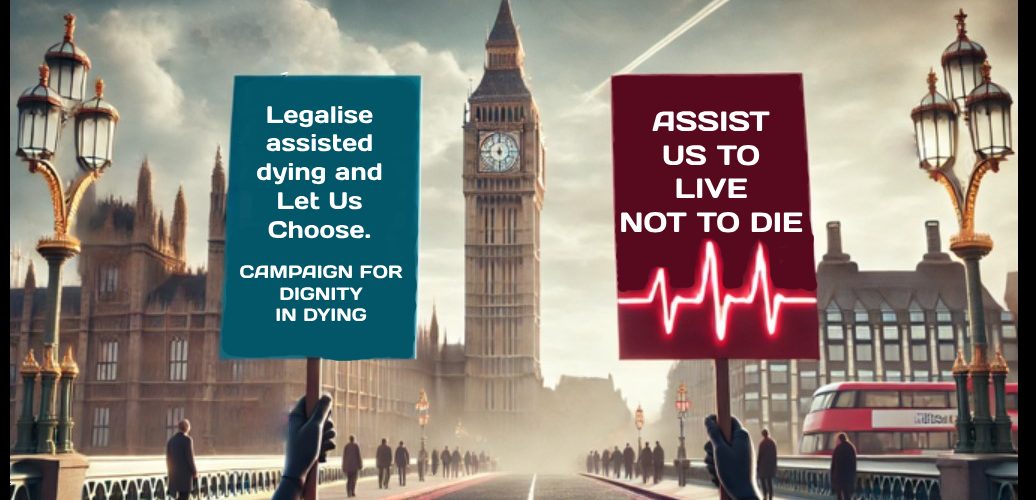
The House of Commons passed the Terminally Ill Adults (End of Life) Bill through its second reading last week. Whilst the final vote (330 to 275) was not as close as some had predicted, the bill is still a long way from becoming law. Changes to the proposed legislation, some significant, are likely before a final vote, with some MPs who voted in support of the bill already indicating that they would vote against it later in the process if concerns were not addressed.
Safeguarding issues have been a major issue for many. Whilst the bill includes a criminal offence of coercion that carries a maximum of 14 years, critics have pointed to a failure to define terms such as ‘coercion’ and ‘pressure’ within the bill as requiring attention. Others have insisted that assisted dying should be patient-led, with an explicit prohibition on medical practitioners raising the option and only responding to a patient’s enquiry as to the option. There are also fears that vulnerable people will feel an obligation to take the option of an assisted death in order to avoid being a burden on family.
The lack of detail regarding the role that the Court will play in the process has also attracted negative comment. Whilst a request for assisted dying will need to be signed off by a High Court Judge, the level of scrutiny to be provided is seen by some as unclear. The bill states that Judges must hear from one of the doctors involved in the process and may question them, but whether the Court will be required in practice to act as more than a rubber stamp has been questioned.
The risk of the bill representing the opening of the floodgates has also been raised. Whilst the scope of the legislation is, in the current draft, quite narrow (applying only to those with a terminal illness and less than six months to live), those opposed to the legislation have argued that future amendments will broaden the application of the new law as assisted dying becomes normalised. Protections to stop the widening of the scope are being suggested by some MPs.
The narrow scope of the current draft has also attracted criticism from those who support the legalisation of assisted dying. The imposition of a six month life expectancy has been described as arbitrary and unfair, removing the option of assisted dying from those with a long-term but nonetheless painful and terminal diagnosis.
Whilst the narrow margin by which the bill passed the second reading means a widening of the scope appears unlikely, it appears certain that further impassioned debate and comprehensive scrutiny will lead to significant changes to the proposed legislation before it is put before MPs again the spring of next year. Whether the final bill then becomes law is also far from assured.
In the meantime, the current position whereby those who are deemed to have assisted a loved one in ending their life face extremely serious potential criminal and civil sanction remains in place. Should you or a loved one require advice on any of the issues mentioned then our Contentious Probate team are ready to assist you with any guidance you require.

The recent budget changes have placed trusts under greater scrutiny, prompting individuals and families to explore alternative strategies for wealth...

The last 12 months have seen much change at Bolt Burdon, culminating in the launch of our new five-year business...
"*" indicates required fields
We’ll never share your details with any third party in line with our privacy policy.