

Signup To Our Weekly e-News
"*" indicates required fields
We’ll never share your details with any third party in line with our privacy policy.
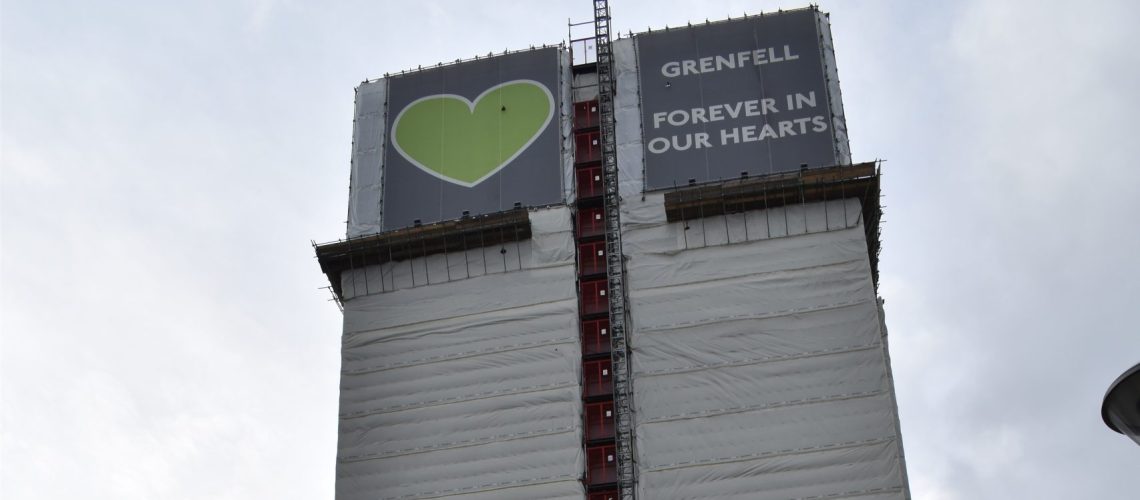
The tragedy of the Grenfell Tower fire in 2017 continues to loom large over London and the nation. Plans have been made to turn the site into a memorial for those who lost their lives. Demolition of the Tower itself commenced in September 2025 and it is estimated that this will be completed in roughly two years.
The Wang Fuk Court fire in Hong Kong which occurred in November 2025 hits especially close to home for a lot of Londoners. Against this backdrop, is it any wonder that fire safety continues to be the priority for the public at large?
The Building Safety Act 2022 (the ‘BSA’) is one of the many pieces of legislation and regulations aimed at improving building safety, fire safety, and accountability within the property and construction industries. Just four years on from Royal Assent, the question remains: has it been successful in what it has set out to do? Key measures include:
The BSA also seeks to change the culture within the property and construction industries. Before Grenfell, these industries were often criticised for poor oversight and inconsistent standards. The BSA now places a much greater emphasis on compliance, transparency, and accountability.
Recent court decisions have reinforced these principles. The courts have made it clear that developers and related entities are expected to bear the financial responsibility for remedying defects, including the costs of investigations, repairs, and associated claims, rather than passing those costs onto leaseholders or other parties. This represents a significant shift in the allocation of liability and has introduced risks that may not previously have existed. The BSA can also apply retrospectively to defects that arose before the legislation came into force, meaning traditional limitation periods may provide less protection than expected.
When deciding whether it is fair to impose liability or grant certain remedies under the BSA, the courts may apply a “just and equitable” test. This is intended to act as a safeguard by allowing the court to consider the specific circumstances of each case before making an order. However, because the test is heavily fact-sensitive, concerns remain about the consistency and predictability of outcomes.
The BSA remains both complex and contentious for all parties involved, including developers, freeholders, and residents alike. The volume of case law suggests that perhaps the BSA is resulting in more alternative dispute resolution. Whether this is to avoid setting precedent, or an apprehension from developers to get entangled in prolonged legal disputes, or some other reasons, is yet unknown.
Irrespective of the reasons, the confetti is still falling from the BSA. It is not yet apparent whether the BSA has provided the comprehensive approach to building and fire safety that was intended. However, what is clear is that parties must develop a deeper understanding of their position under the BSA.
If you need advice navigating the Building Safety Act 2022, or would like to better understand your rights and obligations, please contact Joshua De Luna. With extensive experience and a strong specialism in building safety and real estate disputes, he is well placed to advise on complex matters in this area.
Alternatively, you can reach out to any member of our expert Real Estate Disputes team, led by Michelle Footer. We would be very happy to assist.

As outlined in our previous article, the UK government’s draft Commonhold and Leasehold Reform Bill (the “Bill”) represents one of...

With the Renters’ Rights Act 2025 (“RRA”) set to take effect from today (1 May 2026) and transform the rental...
"*" indicates required fields
We’ll never share your details with any third party in line with our privacy policy.