

Signup To Our Weekly e-News
"*" indicates required fields
We’ll never share your details with any third party in line with our privacy policy.
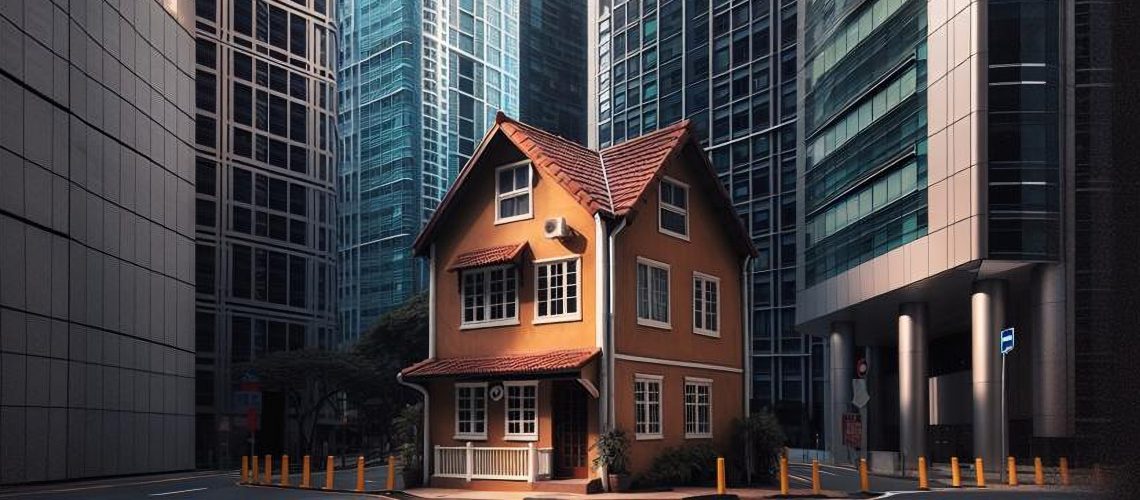
London has seen an increased amount of development over the last few years, particularly in the centre. As space becomes tighter, buildings inevitably become taller and developers are increasingly having to consider the impact that a development will have on the light enjoyed by neighbouring properties.
The law has long recognised a property owner’s right to receive sufficient natural light. There has, however, been a recurring question over when a Court will grant an injunction for the removal or restriction of a development which infringes the right to light enjoyed by a neighbouring property or whether the Court will consider damages to be an adequate remedy.
Historically, courts have shown a greater willingness to award damages instead of an injunction where an infringement has been considered relatively minor. By contrast, where the loss of light is more substantial, the legal position has been less certain. This uncertainty has been compounded by the fact that rights to light disputes rarely proceed to a full trial, with parties often resolving matters through negotiated settlement.
Against this background, the 2025 High Court decision in Cooper & Ors v Ludgate House Ltd, commonly referred to as the Bankside Yards case, was followed with particular interest by developers, landowners and practitioners alike.
The case concerned a completed development known as the Arbor Building at Bankside Yards, built by Native Land. Owners of two properties within the neighbouring Bankside Lofts alleged that the development had affected the light into their properties.
The judgment reaffirmed and clarified various points and will become a guide for future right to light claims. Perhaps most significantly, the principles will impact on the course of pre-action negotiations and the leverage which can be applied by either party.
The main principles to be considered and decided are:
The Court will balance the rights of the injured party against the developer and public interest when making a decision. This means that even in cases of significant loss, an injunction will not be as likely and larger financial compensation should be considered.
A method known as the Waldram method, which has been used since the 1920s, has been reconfirmed as the best method for measuring the loss of light. Modern methods on analysis were seen as ancillary and only to be used in appropriate cases.
Section 203 does not automatically allow you to infringe a party’s right to light, but it does have an impact on the remedies which will be available, meaning damages rather than an injunction will be the outcome in these cases.
In this case, the Court decided to award the Claimants damages in lieu of an injunction with one claimant being awarded £500,000 and the other £300,000. This represented a significant payout in relation to the value of their properties and underscores the financial significance of rights to light claims.
It will undoubtedly offer some reassurance to developers that damages, rather than an injunction, would be the likely be the remedy awarded. However, the significant damages awarded is likely to encourage affected property owners to pursue claims.
It will certainly impact negotiation strategy and the value of settlements achieved in future right to light disputes.
Bolt Burdon has extensive experience in right to light matters, including early-stage risk assessment, strategic negotiation, and contested proceedings. Our Real Estate Disputes team regularly acts for both developers and neighbouring owners in complex and high-value disputes.
For further information or advice, please contact Michelle Footer, Head of the Real Estate Resolution Dispute team.
Potential Graphics

“Just a message” – Until it’s a contract WhatsApp has become a routine part of doing business. It’s quick, informal...

Expert evidence can play a decisive role in family court cases, particularly where allegations of parental alienation are made. A...
"*" indicates required fields
We’ll never share your details with any third party in line with our privacy policy.