

Signup To Our Weekly e-News
"*" indicates required fields
We’ll never share your details with any third party in line with our privacy policy.

As climate change accelerates, its impact is being felt not only in weather patterns and ecosystems but also in one of life’s most significant decisions: buying a home. Today’s UK property market is increasingly factoring in environmental risks, with buyers, sellers and professionals across the sector adapting to a new climate-conscious reality.
Solicitors have had a duty to address climate concerns with their clients for a while now. Just last month the Law Society issued their Climate Change and Property Practice Note to provide further clarity on what good practice looks like and how to best support our clients.
Traditionally, conveyancing focused on legal ownership, boundaries and basic environmental checks. Today, it includes a deeper dive into physical climate-related risks like flooding, subsidence and extreme heat. Searches, including environmental and specific climate risk searches, now routinely assess:
These insights are critical. Properties in high-risk areas may face higher insurance premiums, reduced mortgage availability, or even future devaluation.
Homebuyer surveys are evolving to highlight vulnerabilities to climate impacts such as poor insulation, the risks of overheating from extreme heat, damp risks and outdated drainage systems.
Meanwhile, energy efficiency is becoming a key selling point. Properties with strong EPC ratings are not only cheaper to run but also more attractive to buyers, lenders and insurers.
Mortgage lenders are increasingly cautious about climate risk. Some now require additional environmental assessments before approving loans in high-risk areas. The harder a property is to mortgage, the harder it is to sell which impacts value. Similarly, insurers are tightening criteria, particularly for flood-prone properties, making insurance harder or more expensive to obtain. This makes early due diligence essential to avoid last-minute surprises.
Buyers are thinking long-term, and so they should as the UK moves towards a greener future such as the Government’s 2050 net zero target. A building that meets today’s energy rules might not meet stricter standards in the near future. Questions like “Will this home still be insurable in 10 years?” or “Is this area likely to face water shortages or heatwaves?” are becoming part of the decision-making process to minimise the financial risk of having to upgrade a property or, more worryingly, not being able to sell the property on in the years to come.
The UK house buying process in 2025 is no longer just about location, price and aesthetics. Climate change has added a new layer of complexity and urgency. For buyers, this means being more informed and proactive, including asking for climate risk searches, getting a building survey from a qualified professional and checking the flood risk (which you can do here). Making sure you have the right team of advisors around you is critical. For professionals, it means evolving practices to help clients navigate a changing landscape. In this new era, environmental resilience is just as important as curb appeal.
If you are looking to buy or sell your property, please contact our expert Residential Real Estate team headed up by our Partner Amie McKay.
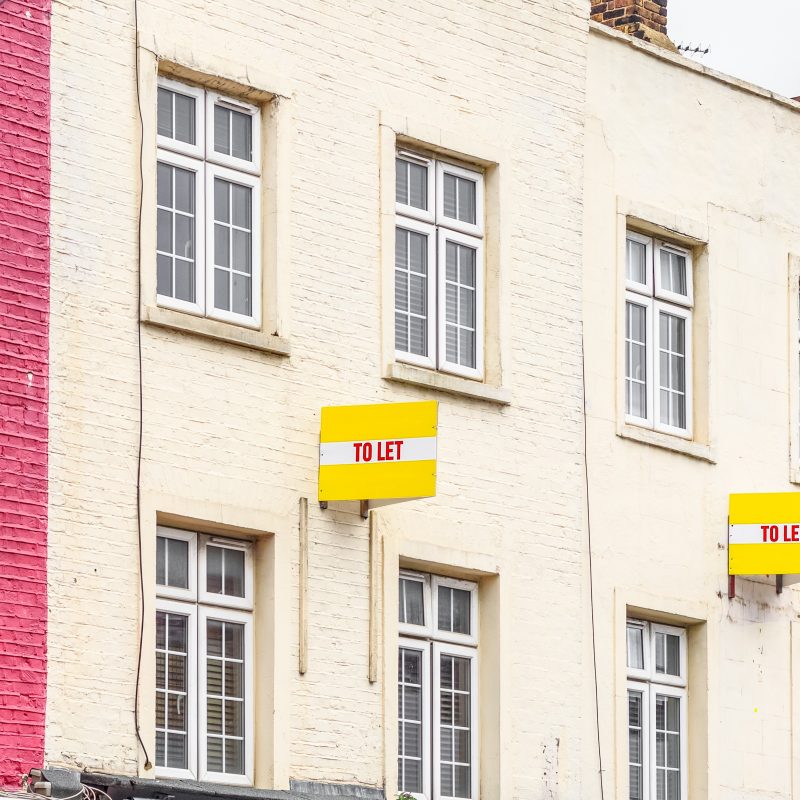
Update: The Renters’ Rights Bill faces delay in reaching royal assent In England alone, the private rented sector accounts for...

From 29th April 2024, changes were made to the Family Procedure Rules (FPR), placing greater focus on parties engaging with...
"*" indicates required fields
We’ll never share your details with any third party in line with our privacy policy.